Roof Insulation in Kuwait: Materials, Repairs & Cooling Solutions

Managing a property in Kuwait comes with a unique set of challenges—chief among them being the intense summer heat and the occasional heavy winter downpour. If you have ever wondered why your air conditioner seems to run non-stop or why your energy bills spike during the summer months, the culprit is often an unprotected roof.
The good news? You don’t need to be an engineer to understand roof insulation. Whether you’re building a new property, renovating an existing one, or planning a roof repair, understanding how roof insulation works can help you make smarter decisions for your home.
This comprehensive, step-by-step guide breaks down everything you need to know about home roofing in Kuwait. We’ll explore the most common house roof styles, the utility of modern roofing sheets, and how to evaluate cooling roof tile prices against long-term performance.
What Is Roof Insulation and Why Is It Important?
Roof insulation is a layer of material installed beneath or above the roof structure to slow the transfer of heat. Instead of allowing heat from the sun to pass directly into the building, insulation creates a thermal barrier that keeps indoor temperatures more stable throughout the day.
The effectiveness of an insulation system depends on the material used, its thickness, and the quality of installation. A properly installed system can reduce heat transfer through the roof by up to 70%, helping cooling systems operate more efficiently during Kuwait’s hottest months.
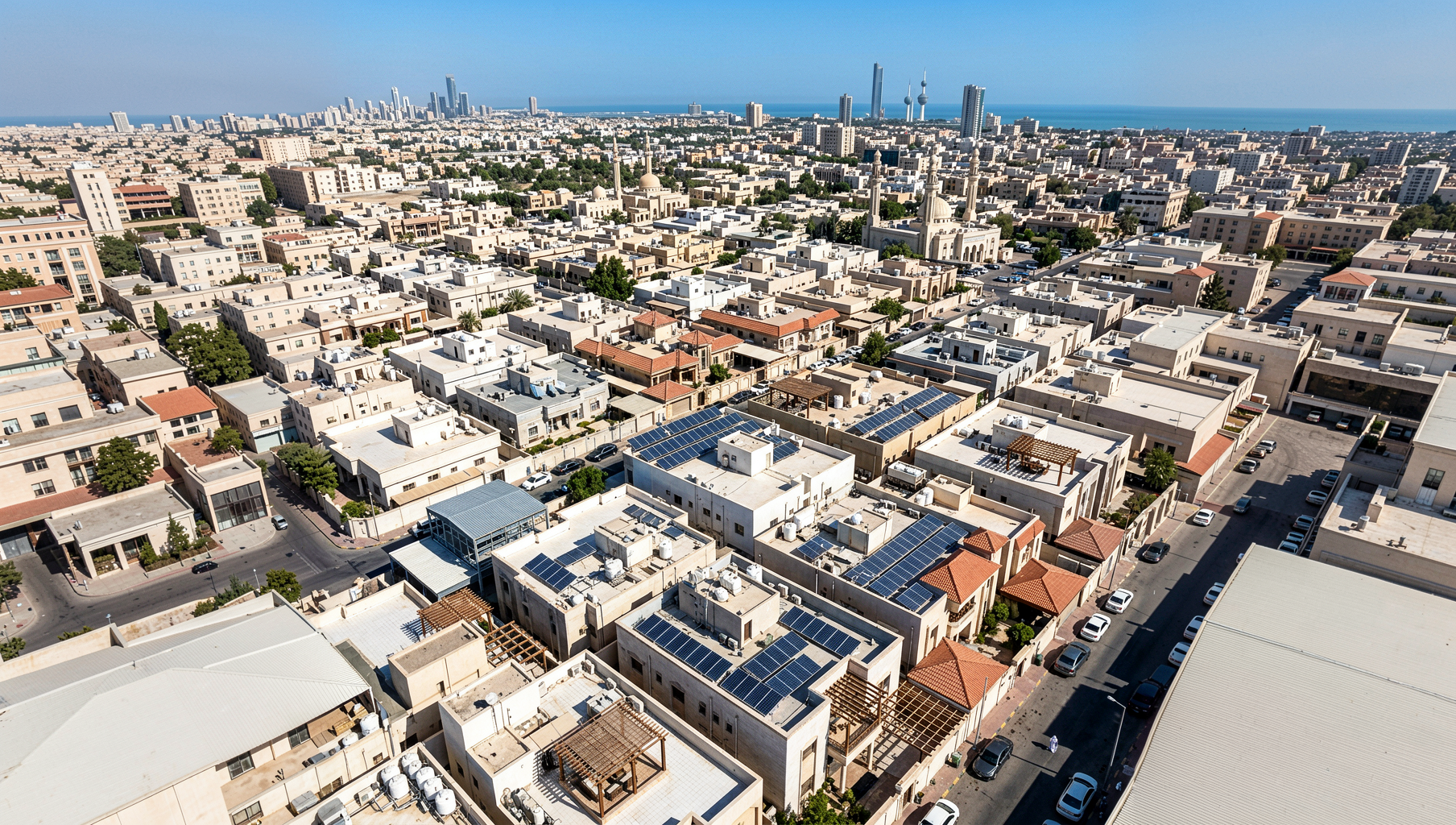
Beyond thermal performance, roof insulation also contributes to:
- A more consistent indoor temperature
- Complements regular AC services by reducing the cooling load on your system.
- Better protection for roofing materials from extreme temperature fluctuations
- Improved comfort in upper-floor rooms and rooftop extensions
While insulation is often associated with reducing energy consumption, its greatest advantage is creating a living environment that remains comfortable despite harsh outdoor conditions.
Choosing the Right Roof Insulation Material
Not every insulation material performs the same way. The right choice depends on your roof type, budget, and the level of thermal protection you’re looking for.
| Material | Best For | Key Benefit |
| Polyurethane Spray Foam | Concrete roofs | Excellent thermal performance and airtight coverage |
| XPS (Extruded Polystyrene) | Villas and flat roofs | High moisture resistance and durability |
| EPS (Expanded Polystyrene) | Budget-conscious projects | Lightweight and cost-effective |
| Fiberglass | Residential renovations | Easy installation and reliable performance |
| Mineral Wool | Buildings requiring additional sound control | Fire resistance and acoustic insulation |
Polyurethane spray foam
This material expands after application, filling small gaps and creating a seamless insulating layer. Because it also limits air leakage, it’s commonly used on concrete rooftops where maximum thermal performance is a priority.
XPS boards
XPS insulation boards are designed to withstand moisture and pressure, making them a popular choice for flat roofs that may experience occasional water exposure.
EPS boards
EPS offers a balance between affordability and performance, making it suitable for residential projects where budget plays an important role.
Fiberglass
A long-established insulation option, fiberglass remains popular because it’s widely available and works well in many roofing systems.
Mineral wool
In addition to thermal insulation, mineral wool provides excellent sound absorption and fire resistance, making it suitable for buildings with higher safety requirements.
Rather than selecting insulation based solely on price, homeowners should consider the roof structure, expected lifespan of the building, and environmental conditions.
Roof Waterproofing: Why Is It Just as Important as Thermal Insulation?
Many people confuse thermal insulation with waterproofing, but each serves a different purpose. While thermal insulation reduces heat transfer, roof waterproofing prevents rainwater and moisture from penetrating the building.
When both systems are used together, they provide comprehensive protection against heat and water, helping to:
- Prevent water from seeping into the concrete structure.
- Reduce the likelihood of cracks developing over time.
- Protect thermal insulation layers from moisture damage.
- Extend the overall lifespan of the roof.
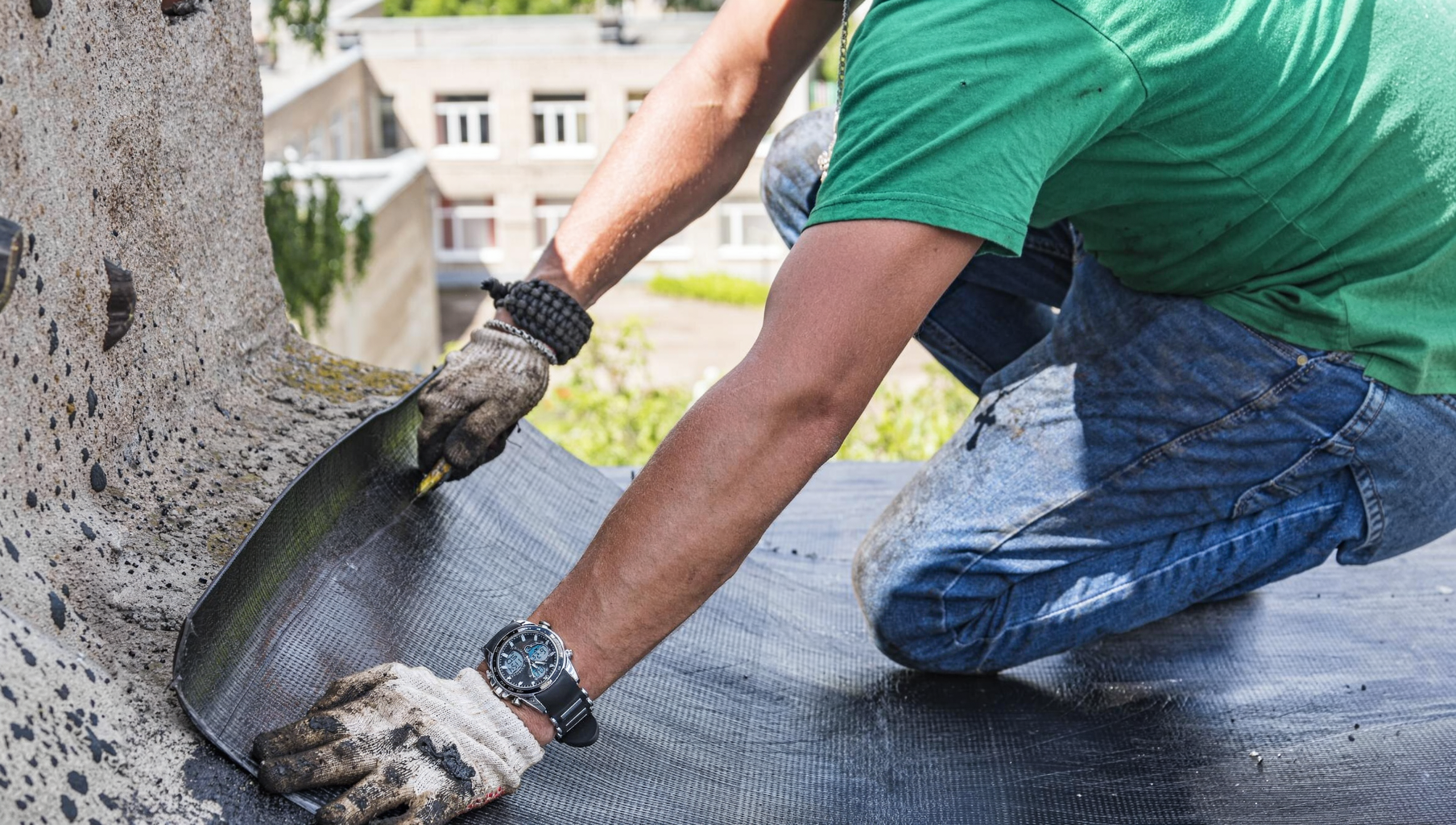
For this reason, professionals always recommend installing a roof waterproofing system before adding thermal insulation or applying any final roof finishes.
Roofing Sheets: Selecting the Right Material
Roofing sheets are available in a variety of building materials, each offering different levels of durability, weight, weather resistance, and thermal performance. They are widely used for outdoor structures, parking shades, warehouses, workshops, roof extensions, and certain residential roofing projects, providing reliable protection while helping improve the roof’s overall performance.
Some of the most common roofing sheet materials include:
Galvanized steel
Known for its strength and corrosion resistance, galvanized steel is widely used for industrial and commercial applications.
Aluminum
Aluminum roofing sheets are lightweight, naturally resistant to rust, and suitable for coastal areas where humidity and salt exposure are higher.
Insulated sandwich panels
These panels combine outer metal sheets with an insulating core, reducing installation time while offering improved thermal performance.
Polycarbonate sheets
Often used for patios, skylights, and outdoor spaces, polycarbonate allows natural light to pass through while providing weather protection.
The most suitable roofing sheet depends on the intended application, structural requirements, and the level of insulation needed for the space beneath it.
Home Roofing Systems: Which One Fits Your Property?
The best roofing system depends on your property’s design, budget, and long-term needs. If you’re building a new home, consulting experienced builders early in the project can help ensure your roofing system is properly planned and installed.
Reinforced concrete roofs
The most common roofing system in Kuwait, concrete roofs are valued for their strength, longevity, and compatibility with various insulation methods.
Metal roofing
Metal roofing systems are lightweight and quick to install, making them ideal for outdoor structures, storage facilities, and commercial properties.
Tiled roofs
Roof tiles add architectural character while helping regulate temperature when paired with proper insulation and ventilation.
Insulated roof panels
Designed as an all-in-one solution, insulated panels simplify construction by combining structural support and thermal insulation in a single product.
Understanding how each roofing system performs under Kuwait’s climate helps homeowners select an option that aligns with both practical needs and long-term maintenance expectations.
House Roof Styles and Their Practical Advantages
The design of a roof affects drainage, maintenance, usable space, and the property’s overall appearance. While aesthetics matter, functionality should remain the primary consideration.
Flat roof
The most common option for residential properties in Kuwait. Flat roofs are practical, accessible for maintenance, and often used for water tanks, solar installations, or rooftop seating areas.
Gable roof
Recognized by its two sloping sides, the gable roof improves rainwater drainage and creates additional attic space.
Contemporary minimalist roof
Modern villas increasingly incorporate clean rooflines that complement contemporary architecture while allowing for integrated insulation and waterproofing systems.
Choosing among different house roof styles should take both architectural preferences and environmental conditions into account.
When Should You Schedule a Roof Repair?
Before adding insulation or replacing roofing materials, it’s important to assess the existing roof. Installing new insulation over damaged surfaces may only conceal underlying problems that continue to worsen over time.
Common signs that indicate the need for a roof repair include:
- Water stains on interior ceilings
- Cracked waterproofing membranes
- Standing water after rainfall
- Rusted or damaged roofing sheets
- Visible structural cracks
- Loose roof components
- Peeling protective coatings
Addressing these issues before upgrading the roof helps protect the new insulation system and reduces the likelihood of future repairs.
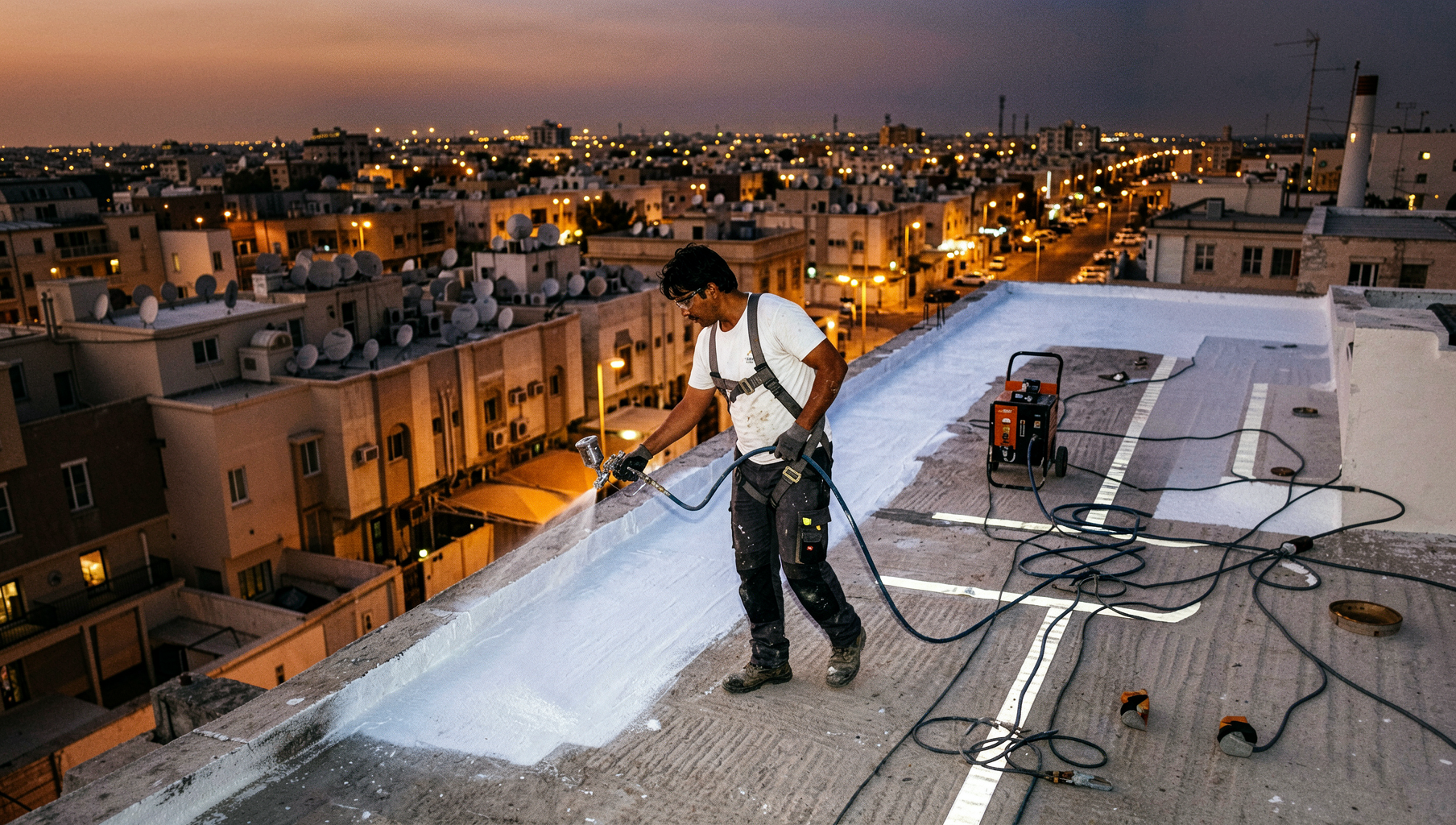
If repairs are needed before installing insulation, it’s worth comparing experienced contractors through 4Sale’s Contracting Services in Kuwait to find specialists for roofing, waterproofing, and renovation projects.
What Influences Cooling Roof Tile Prices?
This is usually the question people care about most, so let’s break it down clearly.
“Cooling roof tiles” (sometimes called heat-reflective or heat-insulation tiles) are designed with a special reflective glaze or coating that bounces solar radiation away from the roof surface instead of absorbing it, which keeps both the tile and the roof underneath significantly cooler.
Prices for cooling roof tiles vary quite a bit, and here’s what actually drives that variation:
Tile thickness
Thicker insulation tiles generally perform better but cost more per square meter than thinner versions.
Material and glaze quality
Tiles with a high-reflectivity ceramic glaze (higher solar reflectance) tend to be priced higher than basic finishes, but they also perform noticeably better in reducing surface temperature.
Roof area and shape
Larger or irregularly shaped roofs need more tiles and more cutting/labor, which increases the total project cost even if the per-tile price stays the same.
Installation method
Whether tiles are laid with standard cement, specialized adhesive, or a full insulation system (with an underlying waterproofing membrane) affects labor cost.
Brand and import source
Locally available and regionally imported tiles are usually priced differently from specialty imported brands.
Additional prep work
If your existing roof surface needs repair or leveling before installation, that adds to the overall cost.
Common Mistakes to Avoid During a Roof Upgrade
Roof improvement projects involve multiple components working together. Overlooking one element can reduce the effectiveness of the entire system.
Some of the most common mistakes include:
Skipping waterproofing
Insulation should never replace waterproofing. Both systems perform different functions and should work together.
Choosing materials based only on cost
Lower-priced products may not provide the durability or performance required for Kuwait’s climate.
Ignoring Roof Ventilation
Proper ventilation helps regulate temperature and reduces moisture buildup beneath the roof.
Installing insulation over existing damage
Cracks, leaks, and deteriorated roofing materials should always be repaired before adding new insulation.
Hiring inexperienced contractors
Even premium materials cannot deliver their intended performance if installation is poorly executed.
Taking the time to plan the project carefully often results in better long-term performance and fewer maintenance issues.
How to Choose the Best Roofing Solution
Every property has different requirements, which means there isn’t a single roofing solution that suits every homeowner.
Before making a decision, consider:
- The condition of the existing roof
- The type of building
- Your available budget
- Long-term maintenance requirements
- Preferred roofing material
- Expected lifespan of the system
- Compatibility with insulation and waterproofing
Comparing these factors makes it easier to invest in a roofing solution that balances durability, performance, and value over time.
Find Roofing Materials and Services on 4Sale Kuwait
On 4Sale Kuwait, you can explore a wide range of roofing solutions in one place. Browse listings from suppliers and service providers, compare available products and services, and use the Request a Quote feature to receive tailored offers for your project and connect with service providers


